Introduction
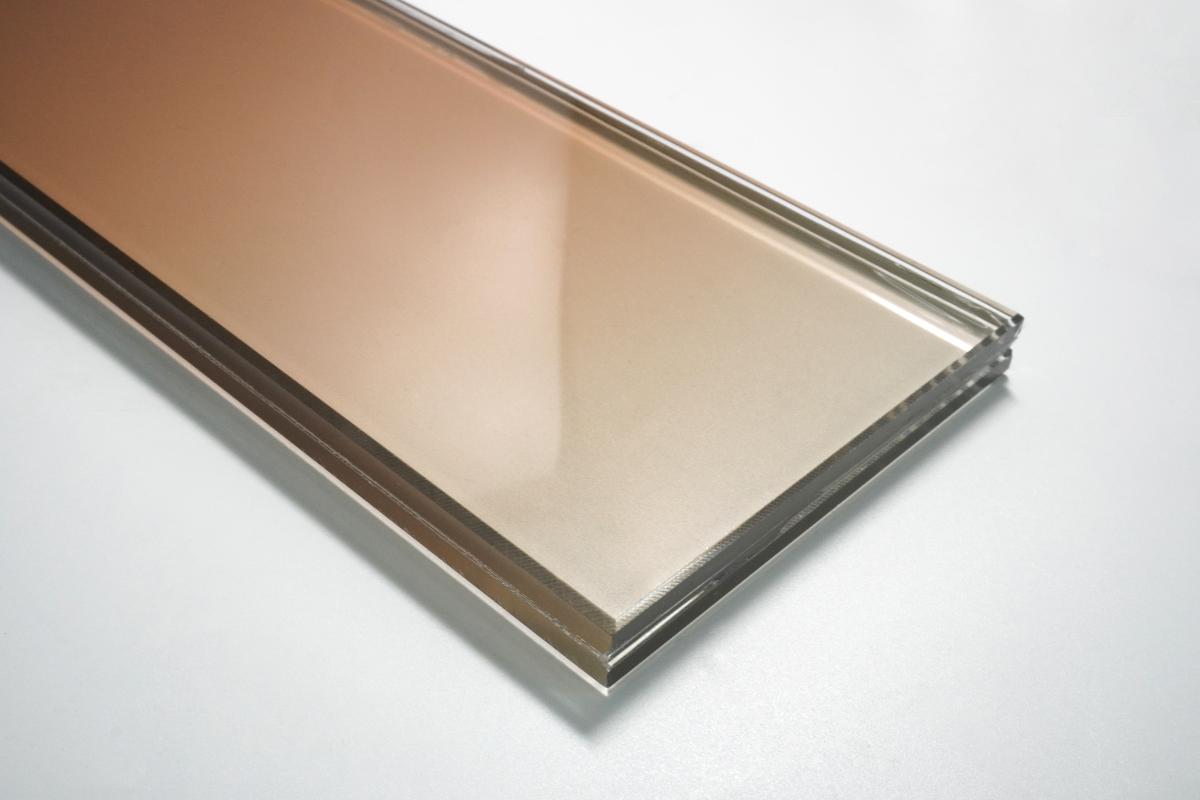
Float glass is the most commonly used flat glass in the construction and manufacturing industries. Produced using the float process, it offers a smooth surface, consistent thickness, and high optical clarity, making it the foundation for most architectural glass products such as tempered glass, laminated glass, and insulated glass units (IGU).
This guide explains what float glass is, how it is manufactured, its different types, and how it is used in modern architecture and processing.
What Is Float Glass?
Float glass is a type of flat glass manufactured by floating molten glass on a bath of molten tin. This process produces glass with uniform thickness and perfectly flat surfaces without the need for grinding or polishing.
Because of its consistency and quality, float glass serves as the base material for nearly all processed glass products used in buildings today.
How Float Glass Is Made?
The float glass manufacturing process involves several key steps:
Step 1: Raw Material Batch Mixing
It begins with the earth’s abundant raw materials: sand. Glass itself is also an ingredient. Its recycling reduces the need for raw materials and accelerates the melting process. Next, the silica sand, soda ash, limestone, and other raw materials mix in proportion and sending into a furnace. The raw material will be heated at about 1500℃ in the furnace to become liquid and merges. Then, it’s ready to leave the melting furnace and enter a bath of molten tin.
Step 2: Molten Tin Float Bath
The glass comes out from the furnace, flows gently and spreads out, looks like honey, and becomes a flat continuous ribbon in the tin bath. As we know, tin is a low melting point metal; its molten liquid level is flat and smooth. As a result, it makes glass a good flatness and no water ripples. In addition, there’re top rolls to act on the spread surface of the glass, control the glass speed and thickness.
Step 3: Annealing
At the end of the float bath, the glass is cooled down further and leaves the tin bath at 600℃, when it is just solid enough to climb on metallic rollers and be driven inside the lehr. In the lehr area, the glass is annealed and gradually cooled to relieve inner stresses and prevents splitting in the cutting phase: cool down too quickly, it would break.
Step 4: Inspection& Cutting
After the cooling, high-performance scanners detect all kinds of defects and identify imperfections to be discarded. When the glass passes the quality inspection, it will be cut into desired dimensions and packed depends on specific customer requirements.
This process ensures optical clarity, uniform thickness, and scalability.
Types of Float Glass
There’re two main types: clear or tinted. There is clear and ultra-clear float glass in the clear category. And grey, bronze, green, blue, etc., in the tinted category.

Clear Float Glass
It has a flat and smooth surface. Without ripples, it is a good vision, good transparency, and strong daylighting.
Ultra Clear (Low-Iron) Float Glass
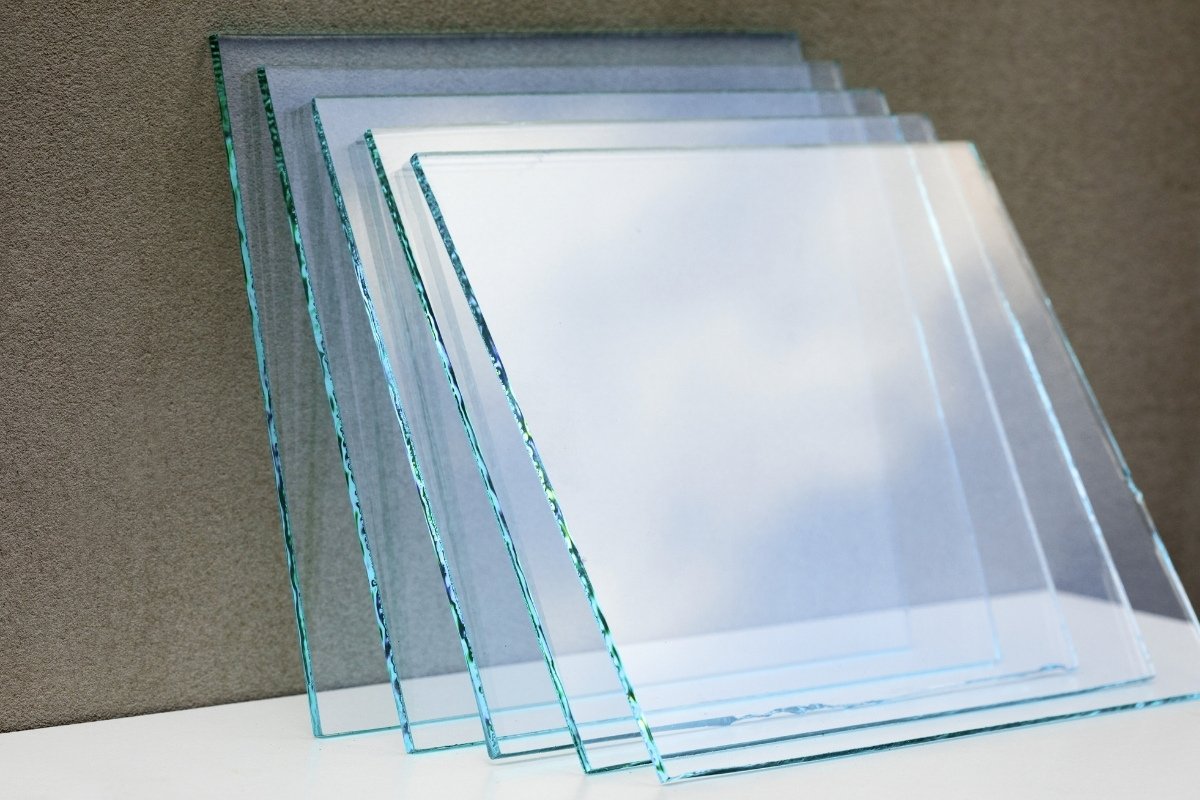
It is low-iron float glass. It has an excellent light transmittance, with an attractive appearance and high optical qualities.
Tinted Float Glass
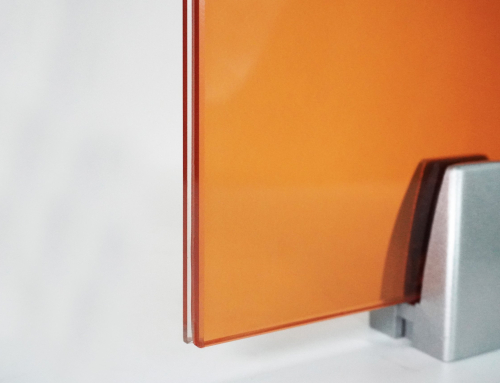
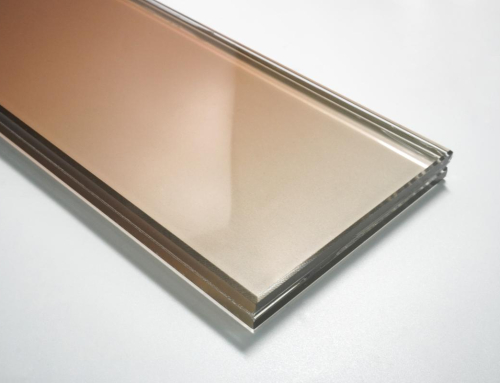
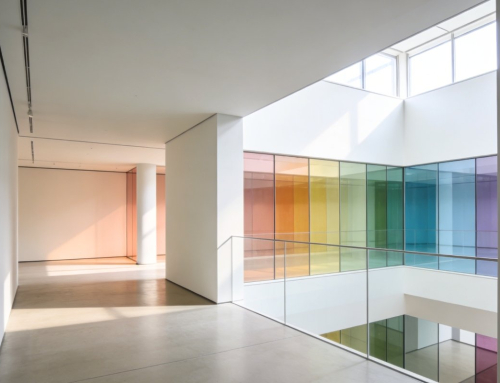
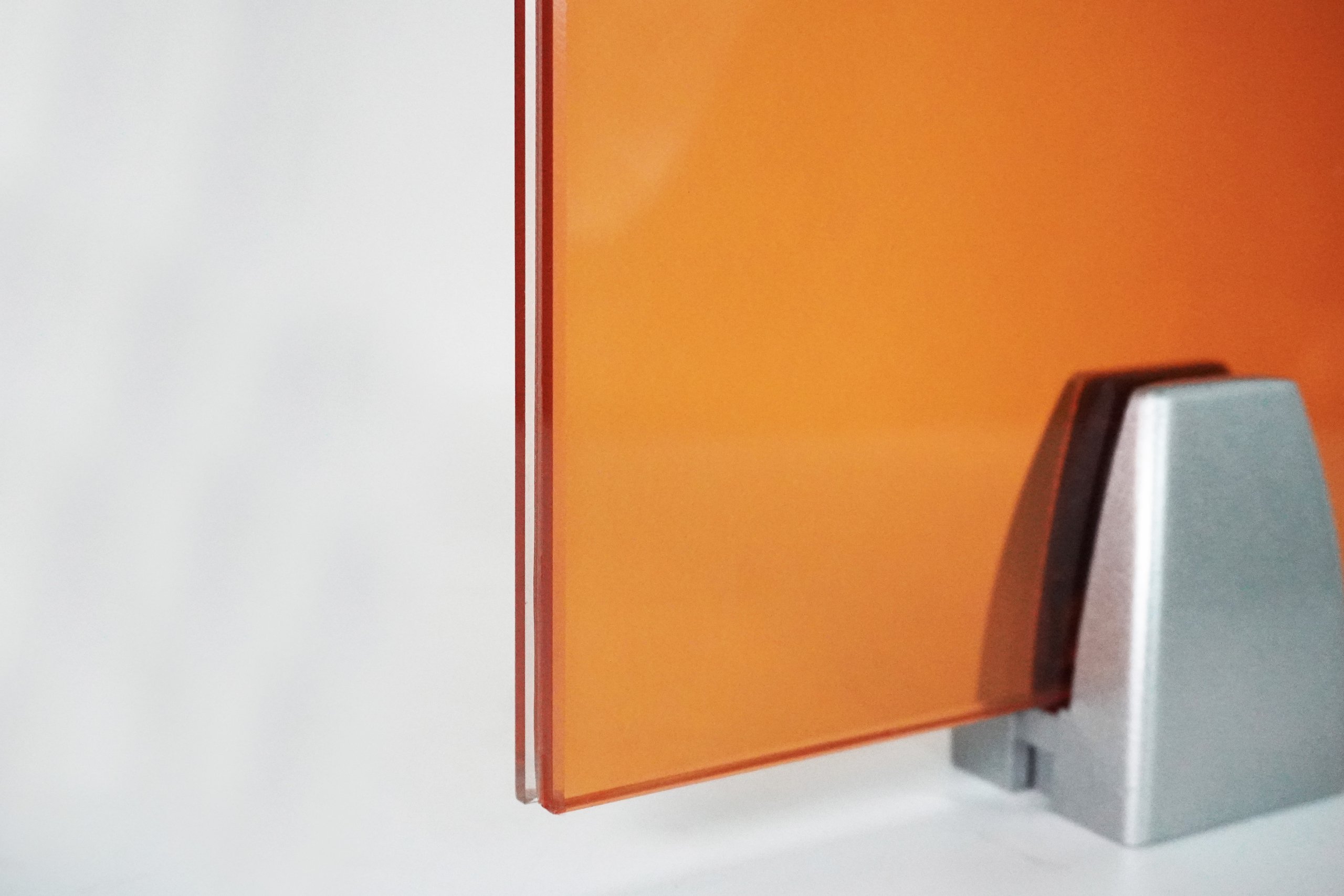
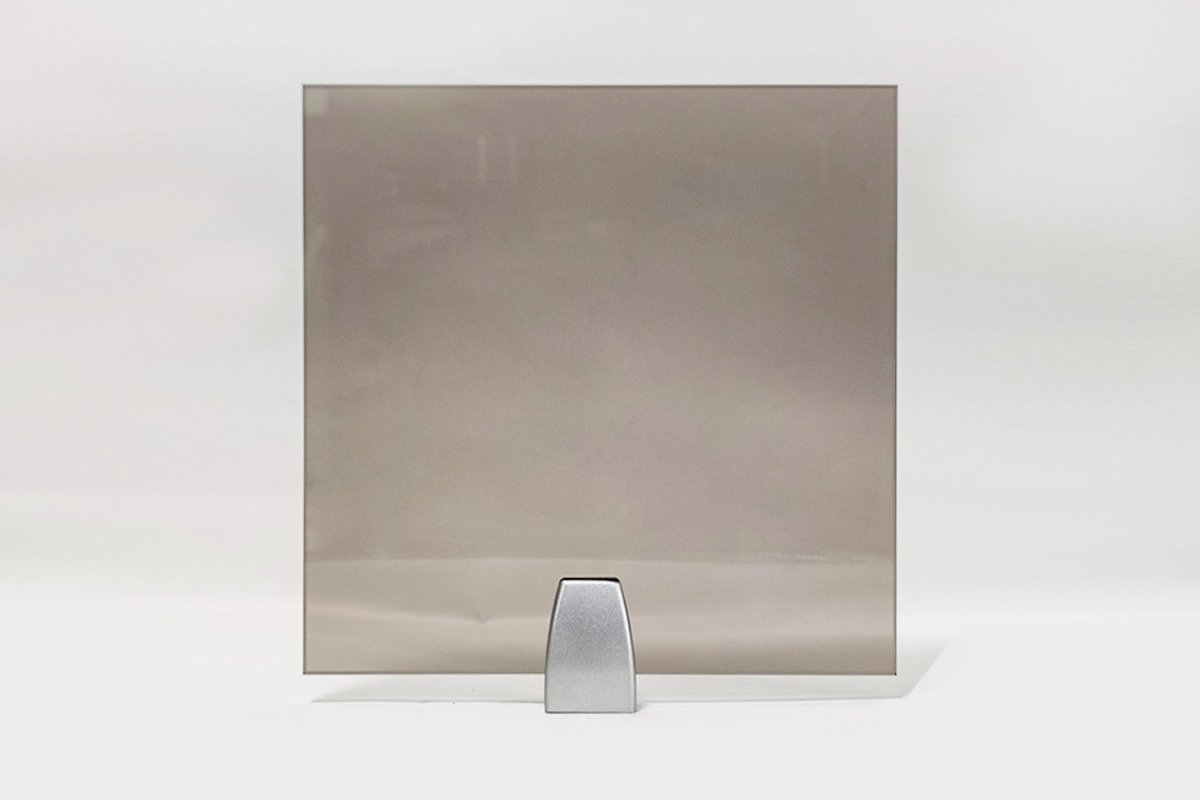
This is a color glass with heat-absorbing. By adding different metal oxides, the float glass will have different colors. The primary colors are grey, bronze, green, and blue. Despite adding beautiful colors to the building appearance, it has the primary function of low UV transmittance, reduces solar heat gaining and glaring.
Float Glass Thickness Guide
Float glass is available in a wide range of thicknesses depending on application:
- 2mm – 4mm: Picture frames, small panels
- 5mm – 8mm: Windows and interior applications
- 10mm – 12mm: Doors, partitions
- 15mm – 19mm: Heavy-duty and structural base glass
- Above 20mm: Structural components or special requirements
Thicker glass provides higher strength but is usually processed (tempered/laminated) for safety.
Float Glass Applications
Float glass is used directly or as a base for processed products in:
- Windows and doors
- Curtain wall and façade systems
- Interior partitions and decorative panels
- Mirrors and back-painted glass
- Laminated and tempered glass production
- Insulated glass units (IGU)
It is the starting point of nearly all architectural glass systems.
Can Float Glass Be Processed?
Yes — float glass is designed to be further processed into high-performance glass products:
- Tempered glass (for strength and safety)
- Laminated glass (for safety and acoustic performance)
- Coated glass (Low-E, solar control, reflective)
- Insulated glass units (IGU)
This makes float glass a versatile base material.
Float Glass vs. Tempered vs. Laminated
| Type | Key Feature | Use Case |
|---|---|---|
| Verre flotté | Base material | General glazing |
| Verre trempé | High strength | Safety applications |
| Verre feuilleté | Holds together when broken | Security & safety |
Float glass is the foundation, while others are enhanced versions.
Advantages of Float Glass
- Smooth and flat surface
- Uniform thickness
- High optical clarity
- Suitable for large-scale production
- Compatible with all processing methods
Limitation of Float Glass
- Not safety glass (breaks into sharp pieces)
- Limited strength compared to tempered glass
- Requires processing for high-performance applications
How To Choose The Right Float Glass?
- Use clear float glass for general applications
- Use low-iron glass for high transparency and premium design
- Use tinted glass for solar control and aesthetics
For safety or energy efficiency, float glass should be processed into laminated or insulated systems.
Looking for supply or pricing?
FAQ
Yes, but it is usually processed into insulated or laminated systems for façade applications.
Low-iron glass has higher transparency and less color tint compared to standard float glass.
Float glass has moderate strength but is typically processed into tempered or laminated glass for safety.
Float glass is used for windows, doors, façades, and as a base for processed glass such as tempered and laminated glass.
Need Float Glass for Your Project?
Explore specifications, customization options, and supply capabilities on our float glass product page.