Project Background
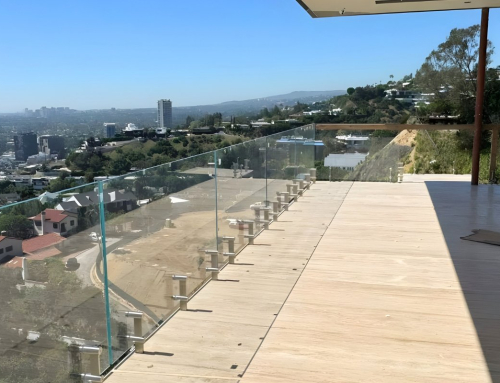
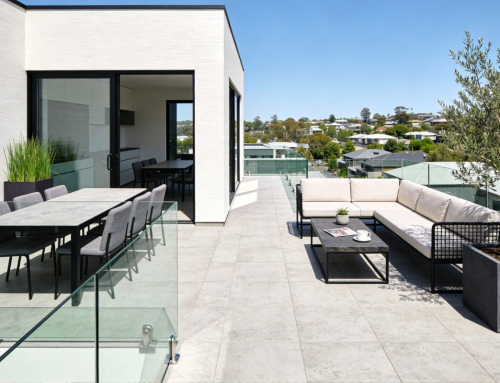
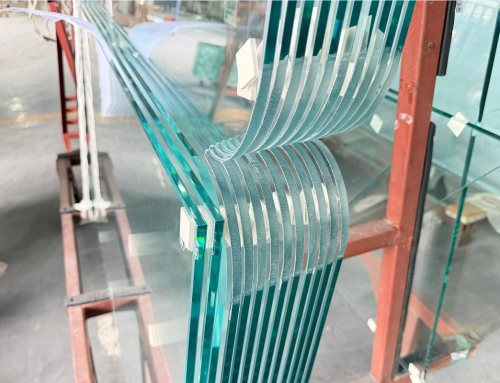
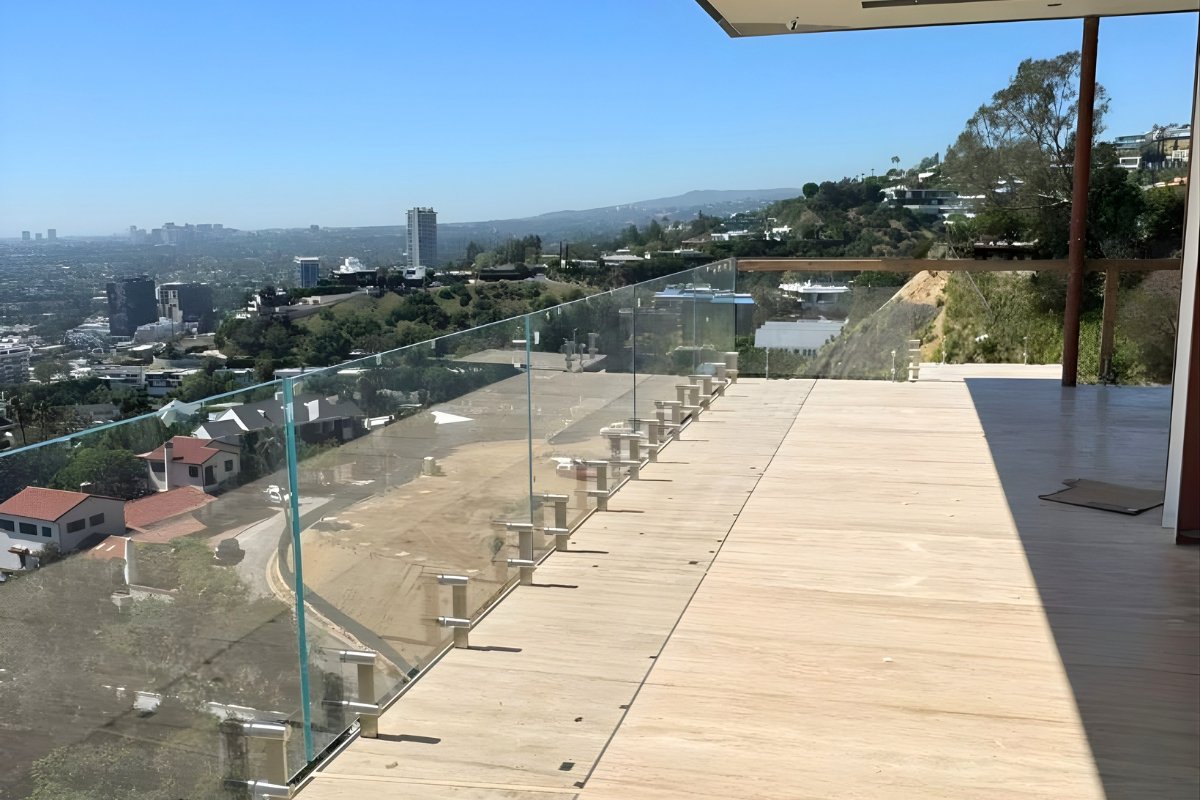
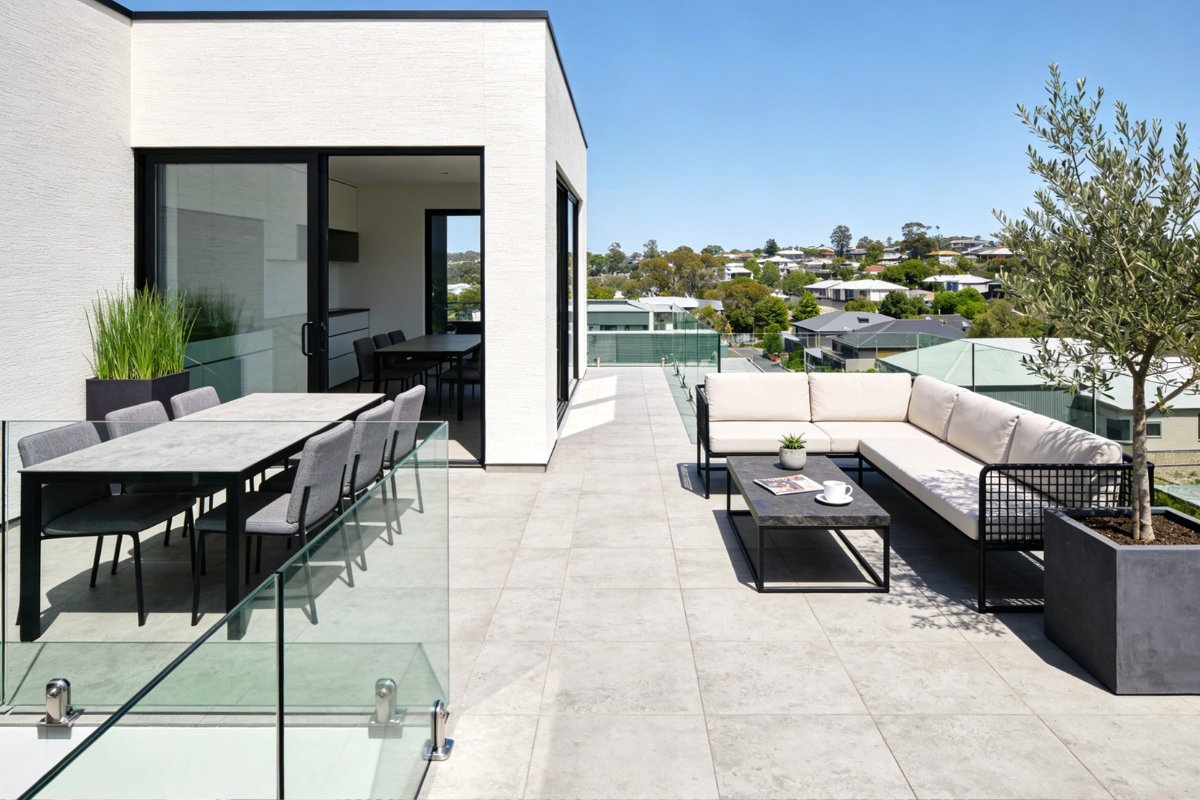
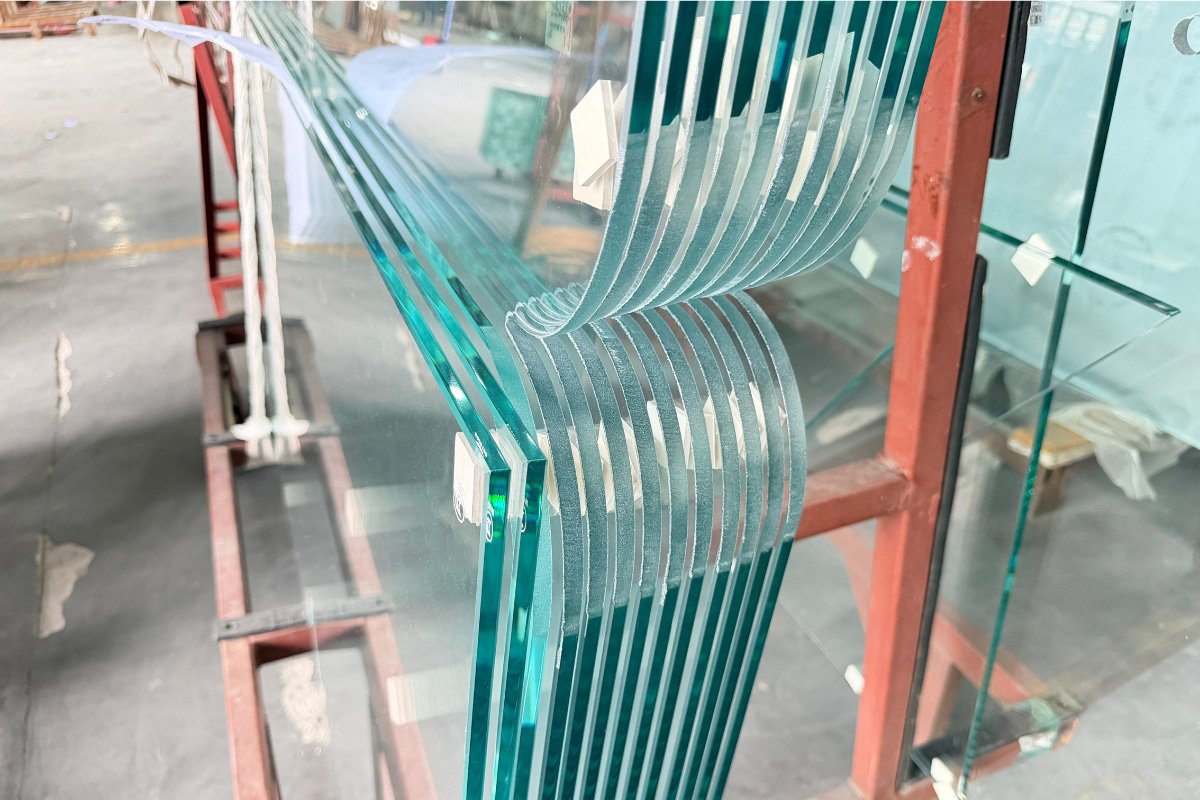
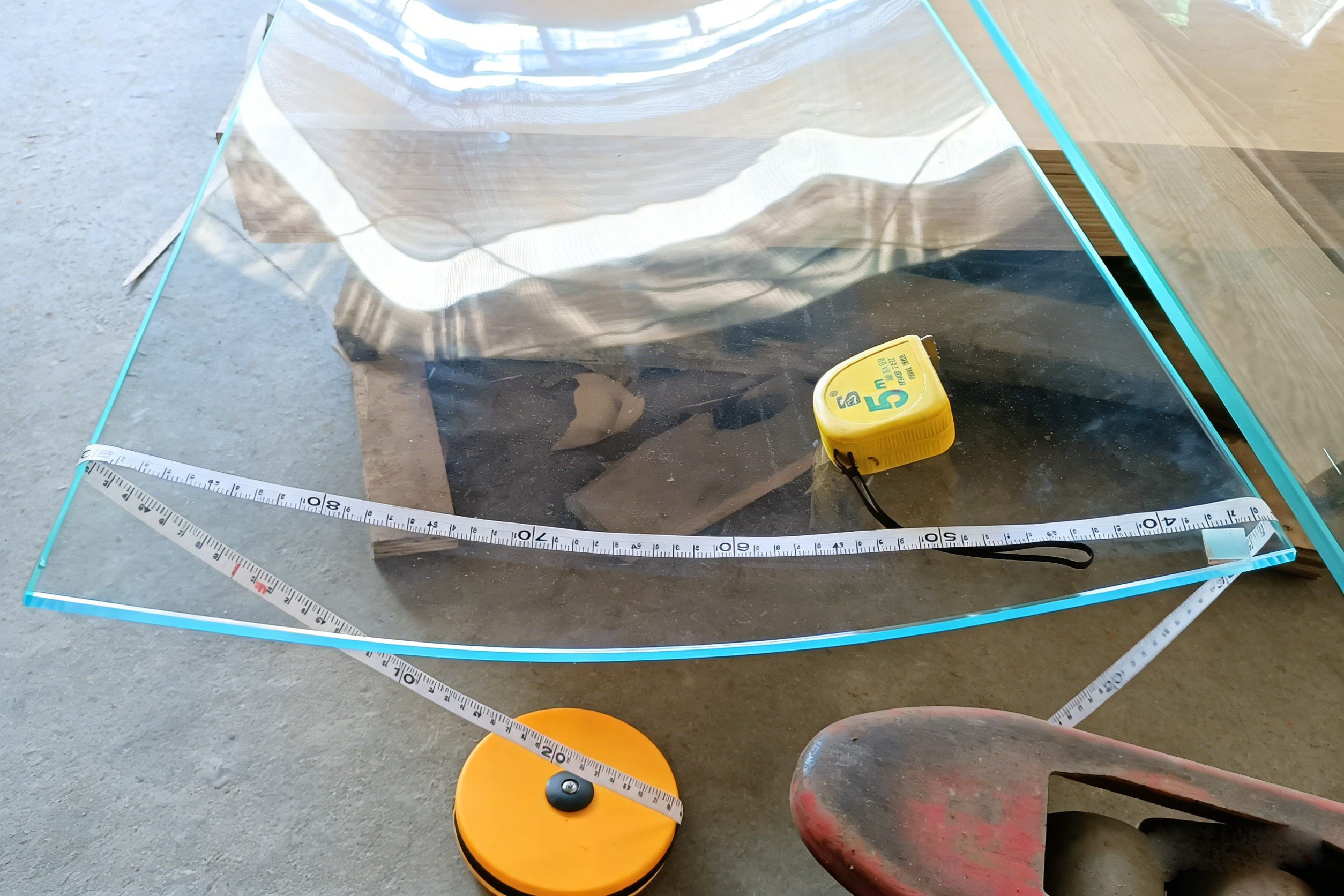
This engineering project comes from the Oceania market and is intended for engineering applications. The project required the use of 10mm Ultra-Clear Curved Tempered Glass, with panels that are relatively tall, but with short arc lengths and small radii. This combination imposes high demands on forming accuracy, dimensional consistency, and curvature stability, especially in engineering applications where any deviation during forming directly affects subsequent installation and performance.
Given these application conditions, the client clearly specified requirements for glass material selection, dimensional control, and bending stability during the early stages of project communication.
Project Requirements
The client operates in the glass products industry and has a clear understanding of product quality and processing details. Therefore, the key points of concern were defined at the beginning of communication. The main project requirements were as follows:
- The glass must use 10mm Ultra-Clear Curved Tempered Glass to ensure overall transparency and structural safety;
- All glass panels must maintain a high level of dimensional consistency;
- The curved shape must remain stable, with no deviation in curvature.
From the requirements themselves, the project was not complex. However, the real challenge lay in achieving stable forming of relatively tall glass panels under conditions where both arc length and radius were clearly constrained, making this the primary issue to address.

Core Challenges: Significant Height, Short Arc Lengths, and Small Radii
In the production of curved tempered glass, the smaller the radius and the shorter the arc length, the narrower the forming window becomes. When the glass panels are also relatively tall, multiple control challenges are amplified, mainly reflected in the following aspects:
- Significantly increased difficulty in controlling heating and deformation of the glass;
- Higher likelihood of uneven local stress during the bending process;
- Greater difficulty in consistently replicating the same curvature across multiple finished pieces.
For engineering projects, these are not details that only affect appearance, but key factors that directly impact installation accuracy and overall performance. Therefore, achieving precise bending and stable replication while ensuring the transparency and strength of the Ultra-Clear Curved Tempered Glass became the core focus of this customized solution.
Solution
During project execution, we provided a customized Ultra-Clear Curved Tempered Glass solution specifically developed for conditions involving significant height, short arc lengths, and small radii. Throughout execution, the solution was evaluated and refined from the perspective of overall forming stability.
Based on the characteristics of relatively tall glass panels and limited arc lengths, the forming plan and process parameters were repeatedly confirmed before bending to ensure that each panel maintained consistent curvature after bending. After bending, the panels were tempered to ensure that the glass met the engineering requirements for structural safety and optical clarity.
The entire customized solution was designed around the client’s requirements, with precise adjustments and control applied to the challenges of significant height, short arc lengths, and small radii, ensuring that each panel could be stably formed and meet the engineering specifications.

Packaging and Transportation
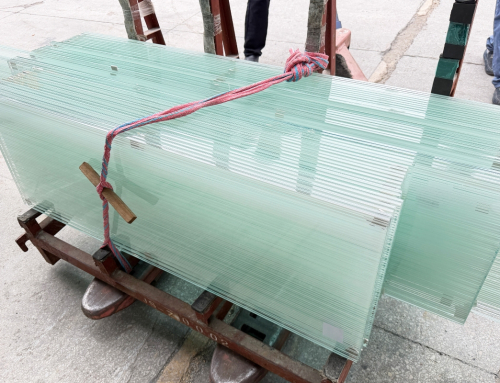
As the project was delivered via sea freight, the stability of the glass during transportation was also a key consideration. Based on the project characteristics, sealed wooden crate packaging was adopted to ensure that the glass remained stable during long-distance transportation and to reduce the risk of impact from vibration or environmental changes during transit.
Project Feedback
After completion and delivery, the client provided positive feedback on the overall performance of the glass. From forming accuracy and curvature consistency to performance in actual engineering applications, the results fully met the requirements discussed during the initial project communication.
The client’s feedback also demonstrated the stability and reliability of the 10mm Ultra-Clear Curved Tempered Glass delivered in the engineering environment.

Conclusion
In this engineering project, the 10mm Ultra-Clear Curved Tempered Glass achieved precise forming and stable application under conditions of significant height, short arc lengths, and small radii, successfully meeting the project’s engineering requirements.
For VSOM GLASS, each such project serves as a practical validation of engineering understanding and manufacturing experience. Through these client cases, VSOM GLASS aims to showcase the real performance of glass in engineering applications, rather than simply presenting the product itself. If you have similar requirements for your engineering projects, please feel free to contact us to discuss suitable customized glass solutions.